Saltwater Pools
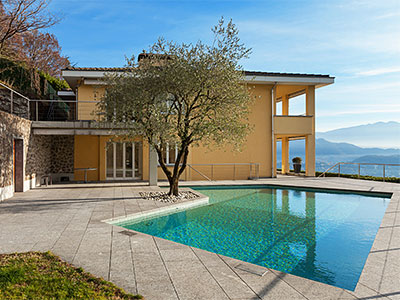
A saltwater pool uses a salt cell to make its own chlorine from salt dissolved in the water. You add salt to the pool instead of chlorine, and the system does the rest. The salt level is low, far below that of seawater, and many swimmers find the water softer on skin and eyes. The water is still sanitized with chlorine, so the difference lies in where the chlorine comes from. Nolascapes Pool & Outdoors LLC has built saltwater pools in New Orleans, Uptown, Kenner, River Ridge, Lakeview, Metairie, West Bank and Harahan.
How the Salt System Works
Water passes through a cell on the equipment line, where electrolysis splits the salt and water to make chlorine. The cell switches on when the pump runs, so the pump schedule decides how much chlorine the pool receives. The chlorine sanitizes the pool and then reverts to salt, so sanitizing does not use the salt up. It is lost through backwashing, rain and water drained or splashed out, and how much you add, weekly or monthly, depends on those losses. We install the chlorinator generator, a pool controller and a disinfection system, which adjust the chlorine and pH levels and oxidize contaminants in the water.
What to Know Before Choosing Salt
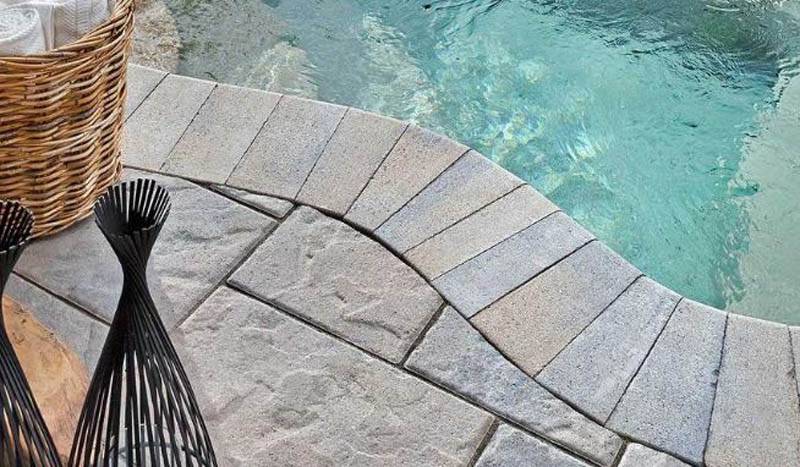
The cell is the main extra cost, and it wears out and is replaced after several years. Salt can also corrode metal fixtures and damage some natural stone if it is not sealed, so the coping and deck materials around the pool should be chosen with this in mind. Pool equipment with exposed metal parts is checked before a salt system goes in, because those parts are the first to show corrosion.
Salt Levels and Cell Care
The salt level is measured with a test strip or a meter and kept in the range the cell manufacturer specifies, because too little salt makes the cell produce less chlorine and too much can set off a fault. Calcium scale can build up on the cell plates, so the cell is inspected and cleaned when needed. Most cells produce less chlorine in cold water, which matters on the few cold days we have in New Orleans, and the stabilizer level still has to be kept up.
Saltwater or Chlorine
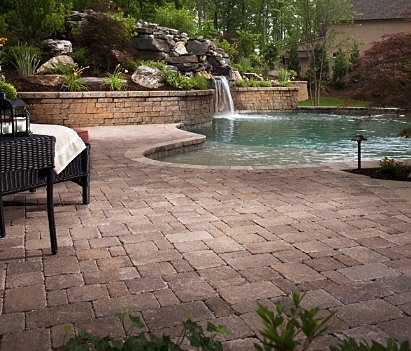
A saltwater pool costs more to equip because of the cell and the controller, but it saves buying and handling chlorine tablets, and many owners prefer the softer water. A chlorine pool costs less to equip and gives you direct control of the dose. The sanitizer is the same in both, so testing, pH balance and filtration matter equally, and the day-to-day routine is described on
Chlorine Pools.
New Pools and Conversions
A new pool can be built in any shape, including a kidney or an infinity edge, with the salt system installed from the start. Many existing chlorine pools can be converted: the cell is added to the equipment line, salt is poured in, and the pump, filter and metal parts are checked first. When a conversion comes with other upgrades, it is handled as part of
Pools Renovation.
Everyday Care
A saltwater pool still needs regular attention. Check the water chemistry weekly, keep the skimmer baskets and the filter clean, and watch the salt level after heavy rain, because dilution lowers it. Brush the walls and steps so that scale and algae do not settle, and rinse any metal ladder or rail that the splashes reach to slow corrosion.
Ask About a Salt System
To price a saltwater system for a new or an existing pool, call Nolascapes Pool & Outdoors LLC on
504-330-8479 or reach us through the
online form. We can look at your equipment, the materials around the pool and how you use it, and then tell you whether a salt system makes sense and what the installation or conversion would involve.


 Menu
 Back

