Menu
 Back
What to Consider Before Building a Pool
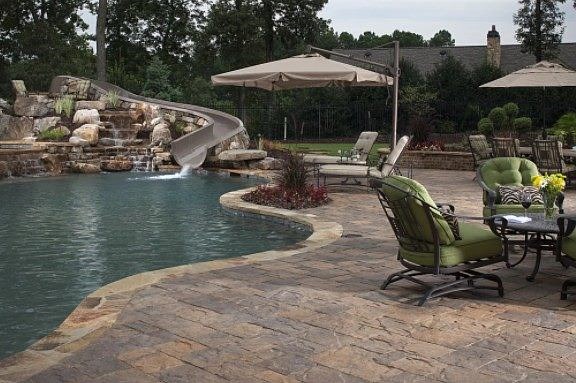 A new swimming pool is a major investment that affects how you use your backyard, entertain guests and enjoy your property for years. Before construction begins, think beyond the pool and consider how the whole outdoor space will work together. The shape, layout, features, materials, upkeep and long-term running costs all play a part. Careful planning early helps homeowners avoid costly changes later, and gives a pool that fits their lifestyle, their property and their long-term goals.
How Will You Use the Pool?
Start here, because the answer drives size, depth and layout. A family pool usually needs shallow lounging areas, a ledge or built-in bench for small children, and open water for swimming for children and guests. If entertaining comes first, plan for a larger patio, built-in seating, an outdoor kitchen, lighting and water features that suit gatherings. Think about the ordinary week as well as the party. A pool that looks impressive but does not match how the household lives in the yard tends to go unused over time.The shape follows the use, and Pool Planning and Custom Pool Design compares rectangular and freeform designs.
Pools for Exercise and Relaxation
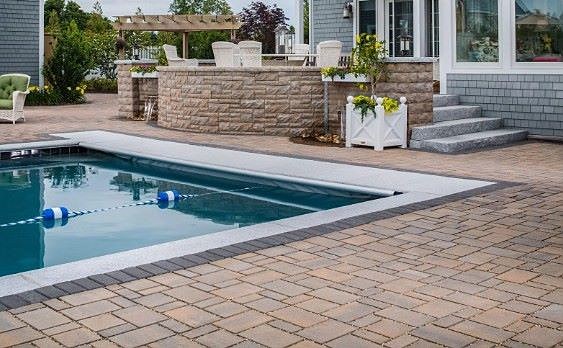
Some homeowners build a pool mainly for exercise, wellness or relaxation. Then lap lanes, an integrated spa, quiet seating areas and privacy may matter more than a large entertaining area. Lap swimming needs length and a straight run, a spa needs privacy and a place to sit, and a quiet pool for reading and cooling off needs shade. Decide what the pool is for first, and let the layout follow.Budgeting for the Whole Project
Pool construction is much more than excavation and installation. A realistic budget also includes the deck and coping, a code-compliant fence, lighting, drainage work, landscaping, utility connections and any outdoor living features around the pool. The surrounding hardscape and landscape work often affects the final cost and the final look more than homeowners expect.Long-term costs matter too: routine cleaning, chemicals, water use, equipment maintenance, repairs and utility bills. Durable materials and energy-efficient equipment can cost a little more up front and less over the years. Spas, ledges, water features and integrated lighting are also much easier and cheaper to build with the pool than to add after it is finished, so decide which ones you want before construction starts. Pool Features and Upgrades lists them.
Upkeep You Are Willing to Handle
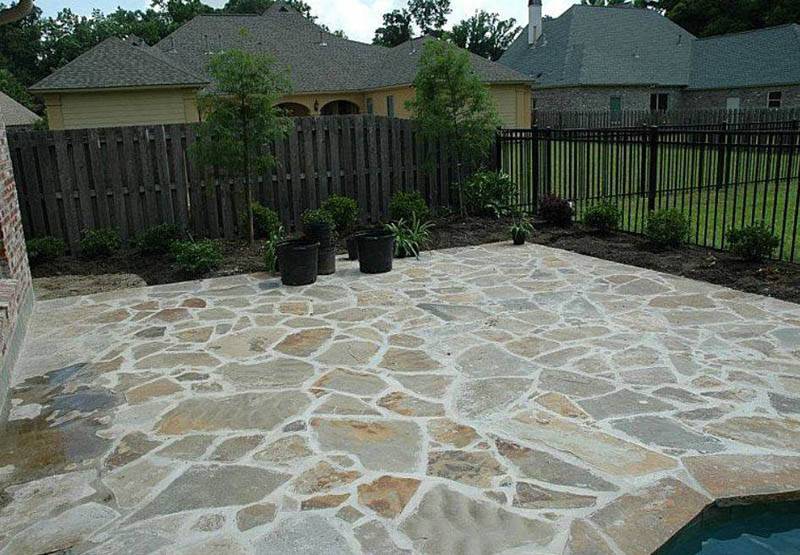
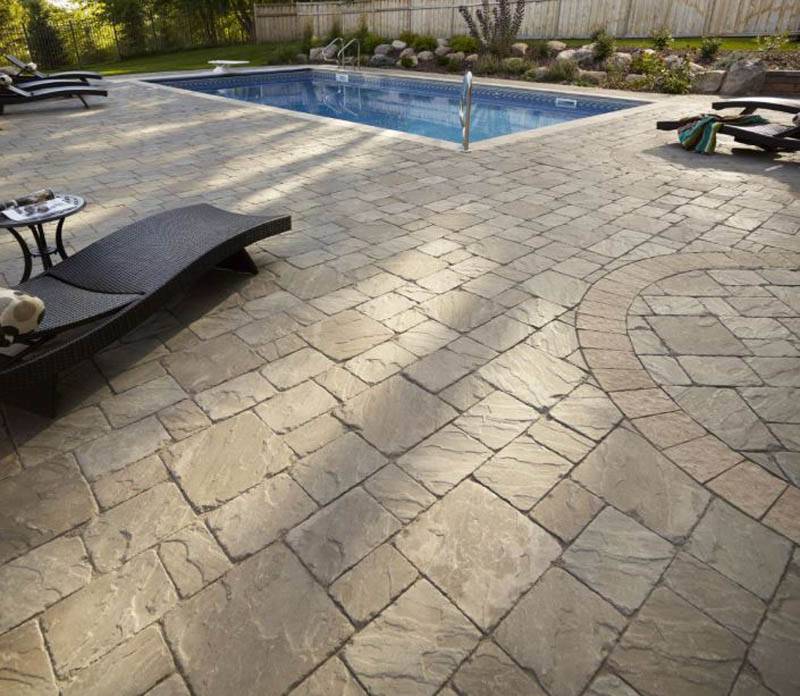
Different finishes, decking materials and water features need different levels of care. Natural stone may need periodic sealing, and some decking materials become slippery, fade faster or hold more heat in the sun.Water features improve appearance and give a resort feel, but they also add equipment, upkeep and operating cost, so balance the visual effect against the work. Be honest about how much maintenance you want to do, or pay someone to do, before you choose finishes and features.
Energy and Water Use
Heating and pumping are usually the largest running costs, and efficient equipment chosen at the start lowers them for the life of the pool. A pool cover helps in a different way: it reduces evaporation, holds heat, keeps out debris and lowers heating costs. Evaporation is high in warm climates, so water-conscious planning pays off over the years.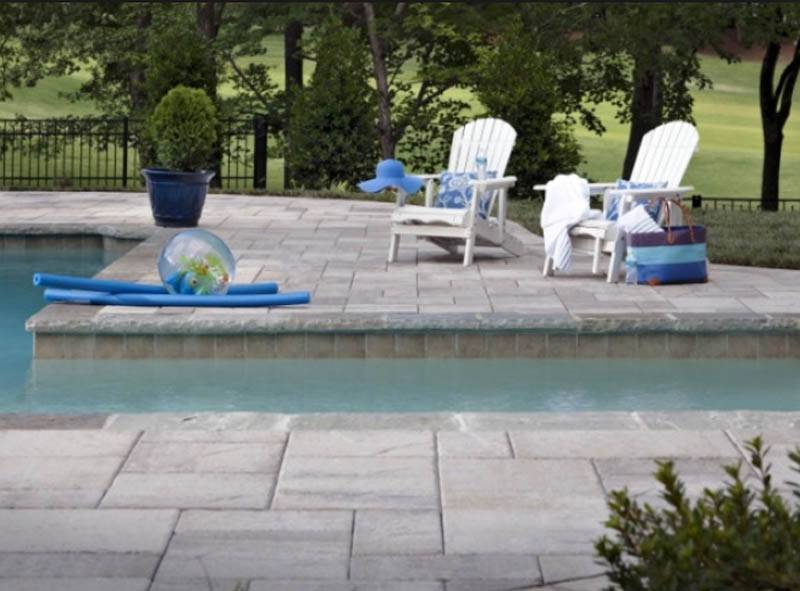
Fencing, Permits and Local Rules
Most municipalities require fences, gates and other barriers around a residential pool, and the rules differ between the city and the parishes. Self-closing gates, alarms, covers and non-slip decking add safety, especially for families with children or pets and for homes that entertain often.Pool construction also needs a permit and may involve inspections, setback rules, easements, grading and drainage planning, and utility locations. Property size and local building codes can change what kind of pool fits and where it can sit on the lot, so it is worth asking about them early. Settling these points before construction avoids delays once the work starts.
Landscaping Around the Pool
Plants affect both the look and the upkeep of the pool area. Avoid trees and shrubs with aggressive roots, heavy leaf drop or messy flowers and fruit near the water. Many homeowners choose low-maintenance plantings that give privacy, shade and visual balance without adding to the cleaning. Ideas are in our landscaping gallery.