


 Menu
 Back
7 Tips For New Pool Construction
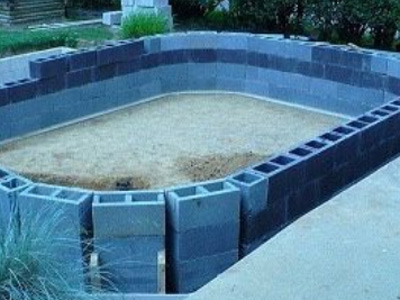 Most costly pool problems start before the first shovel goes in. Underground surprises, permit delays, and poor planning can turn a dream pool into an expensive headache. Homeowners who research these construction factors in advance avoid most of them.
Nolascapes Pool & Outdoors LLC offers custom pool construction from design to first swim. A good pool builder will cover all seven of these points with you before work begins.
New Swimming Pool Construction Tips
Here are a few tips from our team that can prove helpful in new pool construction:1. Swimming Pool Location and Site Preparation Planning
- Underground utility lines create expensive complications when pool excavation damages gas, water, or electrical systems. Call 811 (Louisiana One Call) to have utilities marked before any digging begins.
- Septic tanks, drain fields, and underground storage tanks require relocation of the pool or additional engineering costs.
- Have a professional test the soil, since clay and a high water table are common here
- Ensure proper grading to direct water away from pool structures
2. Pool Contractor Selection and Licensing Verification
- Licensed pool contractors carry insurance protection that covers construction defects and worker injuries during installation, and you need to ensure this aspect.
- Verify licensing through state contractor boards and check complaint histories before signing contracts.
- Always check references from recent customers, as they reveal contractor reliability and work quality better than online reviews.
- Visit completed pools to examine construction quality and speak with homeowners about their installation experience. Ask about timeline adherence, cleanup practices, and problem resolution during construction.
3. Building Permits and Pool Code Compliance Requirements
- Ensure you have the required pool permits, as they protect homeowners by ensuring construction meets safety standards and local zoning requirements. Permit applications require detailed construction plans, equipment specifications, and fence placement drawings.
- Unpermitted pools create liability issues and complicate property sales. Local codes vary significantly, so verify specific requirements before finalizing pool designs.
4. Pool Equipment and Filtration System Sizing
- Pump sizing affects operating costs and water circulation effectiveness throughout the swimming season, and you need to make the right pump size choice.
- Filter capacity must match pool volume and bather load for effective water cleaning. Sand filters require less maintenance but provide inferior filtration compared to cartridge systems.
- Consider installing diatomaceous earth filters, which offer superior water quality, but know that they demand more frequent cleaning and media replacement.
- Heater selection depends on pool size, desired temperature range, and local climate conditions so you need to keep this in view during the selection process.
- Gas heaters heat pools quickly but cost more to operate than heat pumps.
- Solar heating systems reduce operating costs but require larger roof areas and perform poorly during cloudy weather.
5. Pool Deck Materials and Drainage Installation
- Concrete pool decks crack without proper expansion joints and reinforcement during temperature changes. You will need to seal concrete surfaces every two years to protect against chlorine damage and weather deterioration.
- Travertine and flagstone stay cooler underfoot but cost significantly more than concrete alternatives. Stone surfaces may become slippery when wet without proper texturing.
- Deck drainage prevents water accumulation that creates safety hazards and structural damage.
- Ensure the deck has sloped surfaces to direct water away from pool areas and building foundations. French drains and channel systems handle heavy rainfall without creating standing water problems.
6. Pool Excavation and Structural Foundation Work
- Excavation timing affects construction schedules and site access for equipment and materials. Wet weather delays excavation and creates muddy conditions that complicate construction. This makes it necessary to plan excavation during dry seasons when soil conditions are optimal for digging and concrete placement. Southeast Louisiana rain and hurricane season (June through November) can push dates back, so build some slack into the schedule.
- Install steel reinforcement to prevent pool shell cracking during soil movement and temperature fluctuations.
7. Pool Plumbing and Electrical System Installation
- Bury plumbing at the proper depth and protect it from soil movement and the occasional hard freeze.
- PVC pipes last longer than flexible alternatives and resist chemical damage from pool sanitizers.
- Plumbing leaks under decks create expensive repair situations that require concrete removal.
- Electrical systems need GFCI protection and proper grounding to prevent shock hazards around water features.
- Make sure that your pool lighting has low-voltage transformers and watertight fixtures rated for underwater installation. Electrical codes mandate specific distances between outlets and water edges for safety compliance.

