


 Menu
 Back
Chlorine Pools Versus Salt Water Pools
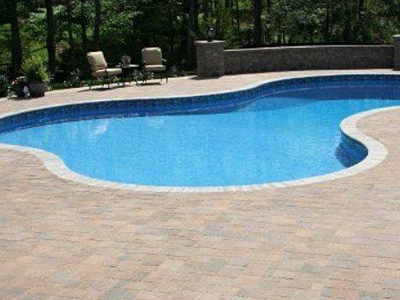 Choosing between a chlorine pool and a saltwater pool is one of the first decisions in a new pool project, and it is also a common reason to convert an existing pool. Both are safe and both work well in Southeast Louisiana, so the choice comes down to cost, upkeep, and what you want the water to feel like.
Cost Comparison
Here are the main cost points for each type of pool:
- Saltwater pools cost more upfront because they need a salt chlorine generator. As salt water passes through the generator's cell, a small electrical charge turns the salt into chlorine, which sanitizes the pool. You still end up with chlorine in the water, just made on site instead of added by hand.
- Chlorine pools are the traditional choice and are less expensive to install, which is why they are so common. The initial investment is much lower than with a saltwater pool.
- Salt water is more corrosive, so it is wise to choose salt-friendly lighting, heaters, fixtures, and pool decking from the start. Otherwise you may be repairing or replacing them sooner than you expect.
Which Is Healthier?
Neither is unsafe when the water is properly balanced. Here are a few points you may not have considered:
- Many swimmers find salt water gentler on the skin, eyes, and hair than traditional chlorine.
- Saltwater pools are not chlorine-free. The generator makes just enough chlorine to keep the water sanitized.
- A saltwater pool needs fewer chemicals added by hand, and you do not have to store or handle chlorine.
Maintenance Comparison
A pool is meant to be enjoyed, but it does need regular care. It changes the way you use your outdoor living space, and the time you spend on upkeep depends on the system you choose. Here is how the two compare:
- A saltwater pool usually needs less day-to-day attention, because the generator makes chlorine automatically.
- Salt water tends to push pH upward, so you still need to test the water regularly to keep it clear.
- A salt generator is more complex equipment, and when something goes wrong it usually takes an experienced pool professional to fix it.
- Chlorine kills bacteria and algae well and keeps the pool disinfected.
- A chlorine pool is simple to run, but you have to add chlorine regularly and keep the level steady, especially in our summer heat and after heavy rain.
Long Term Benefits
Each type has long-term benefits, and the right one depends on how you will use the pool. A saltwater pool costs more upfront, but it can be easier to run because it needs fewer added chemicals and fewer checks. It is also softer on the body, though it can corrode the features around the pool faster than chlorine does. A chlorine pool costs less to build and is simple to repair, which suits owners who want a lower starting price.
Chlorine or salt? Call 504-330-8479 or contact us, and we will go over both for your pool and your budget. There is more detail on our saltwater swimming pools page.

